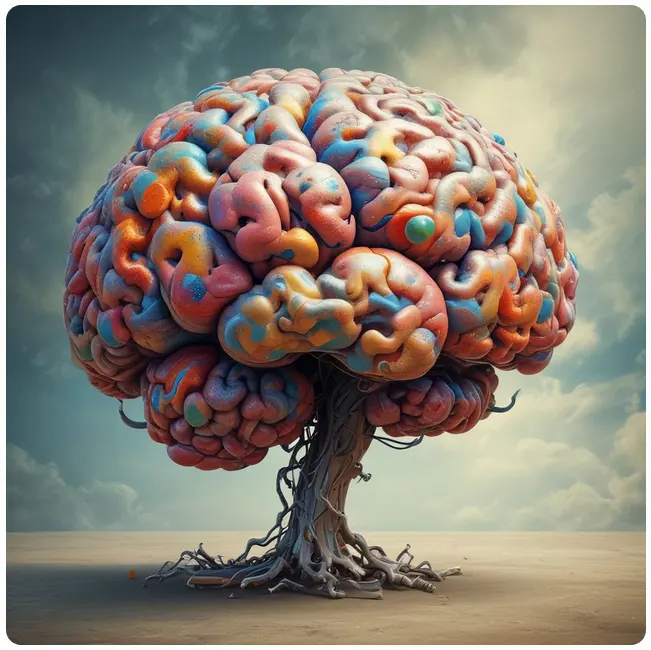

Our brains are the most complex organs in our bodies, yet so much about them remains mysterious. From processing emotions to controlling every movement, the brain quietly orchestrates everything we do—even when we’re not aware.
Some of these facts about the brain will completely surprise you. You won’t believe how much science has uncovered about memory, cognition, and perception—insights that often aren’t taught in classrooms.
Discover Surprising Brain Science
Let’s explore 10 fascinating, mind-blowing facts about the human brain. These insights reveal its extraordinary power and quirks, confirmed by 2026 research and neuroscience studies.
1. Your Brain Generates Enough Electricity to Power a Light Bulb
Neurons firing continuously produce roughly 20 watts of electricity. While you can’t plug in your devices, it’s remarkable how your brain powers your thoughts.
2. The Brain Can Rewire Itself
Neuroplasticity allows your brain to form new connections and pathways throughout life, meaning you can continue learning and adapting well into adulthood.
3. Your Brain Is Mostly Water
Approximately 75% of the human brain is water, highlighting why hydration is essential for optimal cognitive function.
4. Sleep Helps Your Brain “Clean” Itself
During deep sleep, the glymphatic system removes waste products, including proteins linked to neurodegenerative diseases.
5. Your Brain Can Generate New Neurons
Contrary to old beliefs, neurogenesis occurs in certain regions like the hippocampus, allowing learning and memory to continue evolving.
6. Emotions Affect Memory Storage
Strong emotional experiences enhance memory retention because the amygdala interacts with the hippocampus to strengthen neural connections.
7. The Brain Uses 20% of Your Body’s Energy
Although it’s only 2% of body weight, the brain consumes a disproportionate amount of energy, showing how metabolically demanding thought processes are.
8. The Brain Can Predict the Future
Your brain unconsciously anticipates outcomes based on patterns and past experiences, helping you react faster than you realize.
9. Stress Physically Changes the Brain
Chronic stress can shrink the hippocampus and affect memory, proving that emotional experiences can have structural effects.
10. Your Brain Operates on Patterns
From recognizing faces to interpreting language, your brain excels at finding patterns, making sense of the world faster than conscious thought.
Exploring these fascinating brain facts reminds us that our minds are more powerful and mysterious than textbooks ever taught. Which of these 10 facts surprised you the most? Share it with friends and spark curiosity about the human mind.
FAQ
Q1: Are these brain facts scientifically accurate?
A1: Yes, all are confirmed by neuroscience studies and 2026 research updates.
Q2: Can kids understand these brain facts?
A2: Absolutely. Most facts are simple, relatable, and easy to explain with examples.
Q3: How can I keep my brain healthy?
A3: Sleep, hydration, regular mental challenges, and a balanced diet support cognitive function and neuroplasticity.
Q4: Do brains really grow new neurons in adulthood?
A4: Yes, neurogenesis occurs in areas like the hippocampus, allowing learning and memory to continue throughout life.
Q5: How does stress affect the brain?
A5: Chronic stress can reduce hippocampus size, affect memory, and alter emotional regulation.
Q6: Can the brain’s electrical activity be measured?
A6: Yes, techniques like EEG detect neuronal firing, showing how the brain generates and uses electricity.