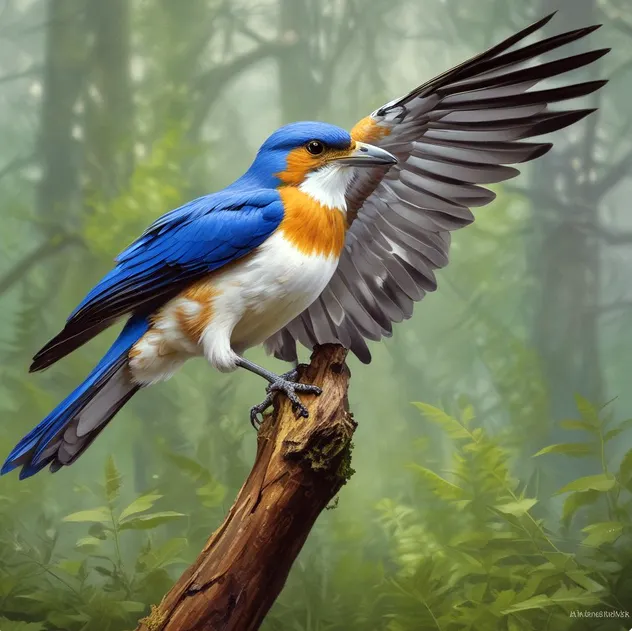

Feathered Charmers With Secret Power
“Looks cute, eats like a vacuum cleaner… with feathers!” Perfect for surprising friends while admiring nature’s miniature hunters. 🙂
Bright eyes, colorful feathers, and cheerful chirps can hide jaw-dropping predatory abilities. Tiny birds, often mistaken for harmless garden companions, can swallow prey whole, sometimes larger than their heads. Evolution has transformed them into efficient hunters, where elegance meets deadly efficiency. Humans fumble with snacks; these feathered hunters gulp insects, small reptiles, or amphibians in a single motion.
Anatomy Behind the Gulp
Despite delicate beaks, flexible jaws, and expandable throats allow a remarkable swallowing capacity:
- Gape size often exceeds head dimensions
- Strong esophagus muscles push prey smoothly
- Digestive enzymes begin breakdown immediately
- Sharp vision detects prey movement from afar
Even the smallest songbirds can perform this feat, leaving observers astonished.
2026 Updates: Avian Predatory Research
Recent studies show:
- Some species can consume prey equal to half their body weight
- Young birds practice swallowing small prey under parental supervision
- Visual acuity and timing are critical for successful consumption
- Digestive efficiency is enhanced for nutrient absorption
Feathered hunters prove that appearances can be misleading—adorable can coexist with astonishing predatory skill.
Facts That Will Surprise You
- Kingfishers can gulp small fish in a single motion
- Some owls swallow prey whole before delivering to chicks
- Tiny raptors adjust head and neck to accommodate large prey
- Digestive tract flexibility allows processing of unexpectedly large meals
- Songbirds sometimes swallow insects bigger than their beaks
- Young birds learn through observation and parental guidance
- Birds can hunt silently using precise timing
- Expandable throats store prey temporarily for safe swallowing
- Vision and reflex coordination are essential
- Feathered charm increases survival odds by lulling predators
Humor Break: Adorable Yet Ambitious
Watching a small bird gulp an entire frog is like seeing a toddler attempt a giant sandwich—and succeed. You might think, “It’s just a bird!” but suddenly, nature has a new definition of efficiency.
Hunting and Feeding Strategies
- Stalk or hover silently above prey
- Time the strike for perfect alignment with swallow
- Expand throat to accommodate oversized meals
- Digest efficiently to fuel growth and survival
- Coordinate vision, speed, and beak mechanics simultaneously
FAQs About Birds Swallowing Prey
Can small birds really swallow prey larger than their heads?
Yes, thanks to expandable throats and flexible esophagi.
Do all birds use this technique?
No, primarily insectivores, kingfishers, owls, and some raptors.
How do young birds learn?
Observation and practice under parental supervision.
Does it harm the bird?
No, physiology is adapted for swallowing efficiently.
Can humans observe this safely?
Yes, from a distance or using slow-motion videography.
Are there predators that exploit this behavior?
Sometimes, larger animals may target birds during feeding.
How fast can prey be swallowed?
Often in seconds, minimizing struggle and risk.
Does prey type affect swallowing strategy?
Yes, size, shape, and movement dictate head positioning and timing.
Is digestion immediate?
Enzymes begin breaking down prey almost instantly.
Can birds adjust prey size swallowed?
Yes, careful selection and manipulation occur prior to ingestion.
Rapid-Fire Facts About Predatory Birds
- Some birds swallow prey whole exceeding head size
- Young birds practice swallowing under supervision
- Expandable throat and esophagus enable flexibility
- Vision and timing critical for feeding success
- Digestive efficiency supports rapid growth
- Silent stalking increases hunting success
- Some birds store prey temporarily before swallowing
- Coordination of beak, neck, and eyes is essential
- Small size can deceive predators and humans
- Diet includes insects, fish, frogs, and small reptiles
- Hunting efficiency evolves across species
- Predatory skill often improves with experience
- Birds can adjust swallowing speed and position
- Observational learning critical for juveniles
- Feeding strategies integrate stealth, timing, and physiology