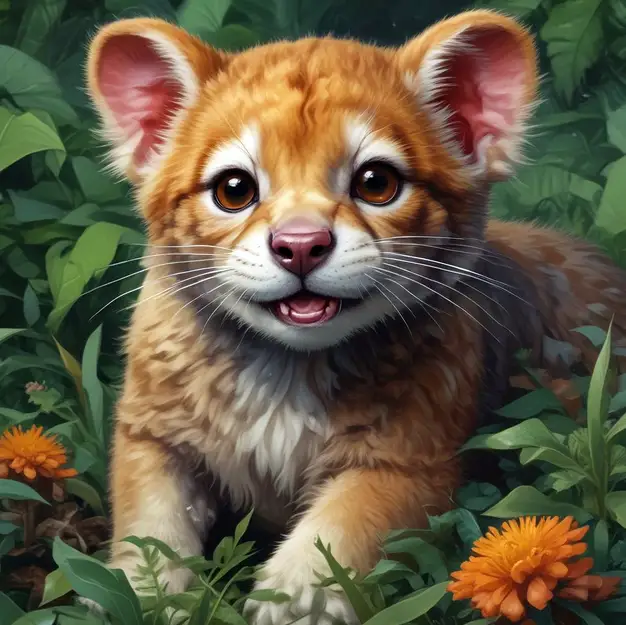

Cuteness That Conceals Lethality
“Adorable enough to hug, lethal enough to make your heart skip a beat… or your hand!” Perfect for surprising friends while giving a cautionary smile.
Tiny eyes and a soft, cuddly appearance can mask a truly deadly weapon. Certain animals, like the blue-ringed octopus or the slow loris, appear gentle, yet a single bite or touch can inject venom potent enough to stun or kill predators—or humans. Evolution has perfected the art of hiding danger behind charm, making the natural world as shocking as it is fascinating.
Anatomy of a Lethal Bite
Beneath soft fur or delicate limbs, venom glands and delivery mechanisms lie in wait. The potency is remarkable:
- Neurotoxins act almost instantly on the nervous system
- Bite pressure is optimized to penetrate skin or exoskeleton
- Venom composition varies by species, each tailored for maximum efficiency
- Warning coloration or subtle behavioral cues may accompany the attack
This combination ensures that a predator thinks twice before approaching, even if the prey looks harmless.
2026 Updates: Venom Research Breakthroughs
Recent studies reveal surprising capabilities:
- Some animals can modulate venom strength depending on threat or prey size
- Tiny creatures deliver chemical cocktails faster than previously recorded
- Neurotoxins have been studied for medical applications, including pain management
- Behavioral adaptation complements venom—some use mimicry or slow movements to lure targets
Even creatures weighing less than a pound can alter the outcome of a predator-prey encounter with precise bites.
Facts That Will Make You Rethink “Adorable”
- The blue-ringed octopus carries enough venom to kill 26 adults in minutes
- Slow lorises have venom glands in elbows; bites can be deadly
- Cone snails deploy a harpoon-like tooth to inject venom into prey
- Some frogs’ skin secretes toxins capable of heart or nerve disruption
- Venom potency is often proportional to animal size for energy efficiency
- Warning signals can include bright colors, postures, or sudden movements
- Tiny venomous snakes deliver toxins efficiently despite short fangs
- Juvenile venomous animals often retain full potency from birth
- Venom can affect humans, insects, and other animals differently
- Evolution favors subtlety in appearance to prevent early detection
- Predators often avoid even small, brightly-colored or slow-moving animals
- Chemical signals sometimes precede a bite as a defensive warning
- Cuteness may enhance protection by encouraging curiosity then surprise
- Feeding strategies integrate venom delivery and environmental awareness
- Venomous bites can immobilize prey long enough for safe consumption
Humor Break: Adorable but Deadly
Watching a slow loris or tiny octopus move cautiously is like observing a cuddly assassin on a stealth mission. You might think, “I just want to pet it!” Then remember—one bite and the tables turn. Humans fumble with pens; this tiny creature fumbles nothing.
Hunting and Defense Strategies
- Ambush with camouflage or blending into surroundings
- Subtle movement to lure prey into striking range
- Deliver venom with perfect timing
- Combine chemical and behavioral deterrents
- Retreat quickly after delivering a bite to avoid retaliation
FAQs About Deadly “Cute” Animals
Can humans survive bites?
Depends on species; immediate medical intervention is often critical for venomous bites.
Are all small, cute animals venomous?
No, but some species evolved lethal capabilities to compensate for size.
Do venomous bites always kill prey?
Not always; sometimes venom is enough to immobilize or deter predators.
How fast does venom act?
Neurotoxins can act within minutes, sometimes seconds depending on prey size.
Do juveniles have full venom potency?
Yes, many species are born fully equipped for survival.
Are warning signs obvious?
Some are bright colors, patterns, or defensive behaviors; others rely on surprise.
Can venom be used for research?
Yes, neurotoxins are studied for pain management, neurology, and drug development.
How do predators avoid these animals?
Evolution teaches avoidance through learned experience or instinctive caution.
Is physical size a factor?
Even tiny animals can pack a lethal punch with optimized venom delivery.
Do humans ever handle these animals safely?
With expert supervision, protective equipment, and knowledge of the species.
Rapid-Fire Deadly Cute Animal Facts
- Small animals can possess neurotoxins lethal to humans
- Venom potency often scales with prey size
- Juveniles may be fully equipped for lethal defense
- Chemical and behavioral cues work in tandem
- Camouflage enhances ambush effectiveness
- Warning coloration deters predators
- Precision delivery minimizes wasted venom
- Some species modulate venom based on threat
- Tiny bites can immobilize or deter effectively
- Evolution favors deceptive appearances
- Venom studied for medical and pharmacological applications
- Ambush, stealth, and chemical defense combine for survival
- Even soft fur or bright colors can conceal lethality
- Predators often learn to avoid based on experience
- Survival depends on timing, strategy, and chemical potency