
Tiny Predator, Gigantic Ambitions
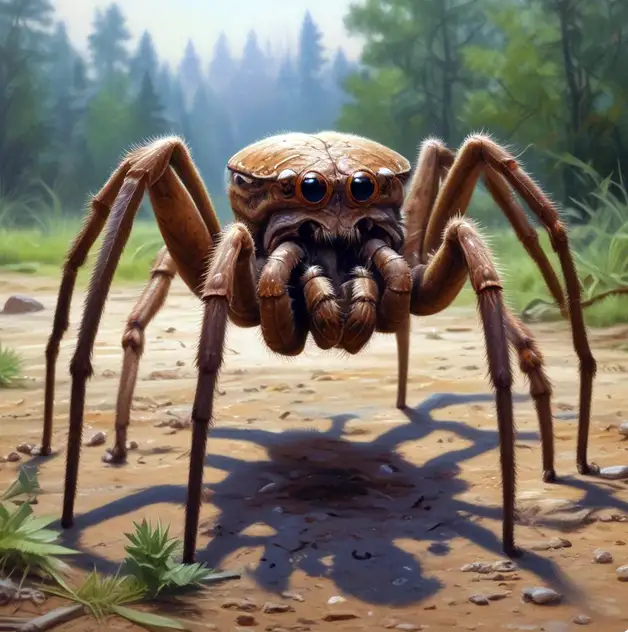
A creature smaller than your coffee mug lurks in the shadows of the rainforest, yet it targets victims far larger than itself. The Goliath birdeater spider doesn’t rely on brute strength alone—it’s a master strategist, weaving webs and setting traps that turn unsuspecting insects, small rodents, and even amphibians into a dinner buffet. While humans struggle to carry groceries upstairs, this spider manipulates silk threads with precision, orchestrating ambushes like a miniature tactician.
Silk, Strategy, and Stamina
Web-building isn’t just decoration; it’s a combination of engineering, patience, and lethal creativity. The Goliath’s silk threads are tough enough to restrain prey twice its size. Sticky traps are laid across tiny paths where insects and small mammals unknowingly stumble, and once contact is made, the spider’s venom and speed ensure minimal struggle.
- Web tensile strength rivals industrial fibers
- Venom paralyzes prey quickly, minimizing risk
- Ambush strategies rely on both patience and instinct
- Size doesn’t limit its predatory success
Even casual observation reveals a level of cunning often underestimated in arachnids.
2026 Discoveries: Unraveling the Giant Spider Mind
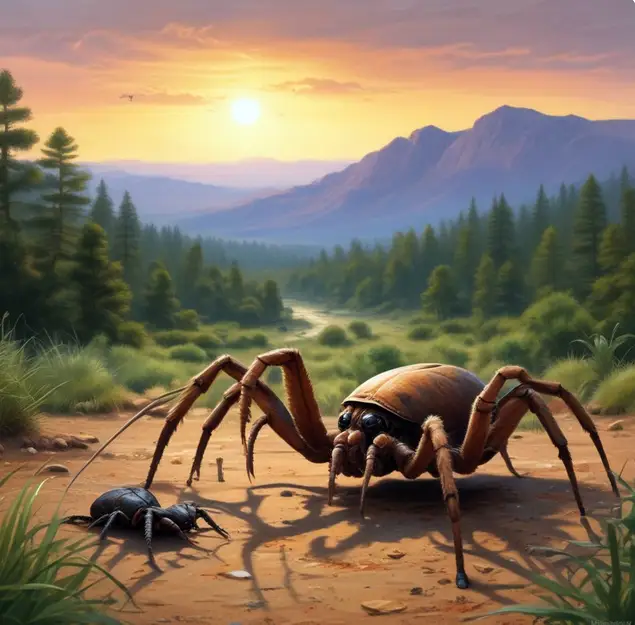
New studies in 2026 have highlighted surprising traits:
- Ability to gauge prey size before attack
- Selective hunting based on energy expenditure vs. reward
- Adjusting web placement based on environmental changes
- Rapid learning from failed capture attempts
These findings prove intelligence in spiders isn’t just a myth—it’s evolution operating in tiny but sophisticated packages.
Facts That Defy Size Expectations
- Goliath birdeater can weigh up to 175 grams and span 30 cm
- Venom is strong enough to immobilize small mammals
- Webs are rarely used for catching prey; ambush dominates
- Silk threads can support multiple times the spider’s weight
- Fast reflexes allow prey capture without visible struggle
- Predators often avoid Goliath spiders due to venom potency
- Lifespan in captivity can reach 25 years
- Juveniles hunt smaller prey but learn ambush techniques over time
- Specialized hairs detect vibrations, alerting to potential targets
- Nocturnal habits increase hunting efficiency
- Prey includes insects, amphibians, small reptiles, and occasionally rodents
- Can survive weeks without food due to slow metabolism
- Venom works as a neurotoxin, disrupting prey movement quickly
- Defensive behavior includes rearing and threat postures rather than attacking
- Native to rainforests of South America, yet adaptability allows survival in varied habitats
Humor Break: David vs. Goliath Reimagined
Picture a tiny spider plotting a heist against a mouse twice its size. Humans might struggle coordinating a small team for grocery delivery, yet this eight-legged strategist executes ambushes flawlessly. If evolution offered board games, Goliaths would dominate every strategy table.
Hunting Techniques Beyond Size
- Prey is often larger than the spider, but silk threads and ambush compensate
- Venom is precisely delivered to critical points
- Patience allows prey to wander into optimal trap positions
- Jumping and pouncing maximize energy efficiency
- Groupings of prey sometimes influence choice of attack
FAQs About Giant Spiders
Can a Goliath birdeater harm humans?
Bites are painful but rarely fatal. Allergic reactions vary by person.
How do they hunt prey larger than themselves?
Combination of venom, web manipulation, and strategic ambush.
Do they eat birds?
Despite the name, they rarely consume birds; mostly insects, amphibians, and small mammals.
How long can they survive without food?
Weeks, thanks to slow metabolism and energy-efficient hunting.
Are Goliath spiders aggressive toward humans?
Generally, they prefer to retreat unless provoked.
Can they climb trees?
Yes, but they mostly stay on the ground to optimize ambush hunting.
How long do they live?
Up to 25 years in captivity; wild lifespan is shorter due to predation.
Do they build traditional webs?
Rarely. Ambush strategies dominate over large webs.
How fast can they strike?
Venom delivery and pouncing occur in fractions of a second.
Are there any predators?
Large birds, mammals, and reptiles may prey on them despite venom.
Rapid-Fire Facts
- Eight legs allow both stability and fast striking
- Juveniles practice ambush on smaller prey
- Vibration-sensitive hairs alert to environmental changes
- Predatory patience is key to survival
- Venom blocks nerve signals rapidly
- Energy efficiency is critical when hunting larger prey
- Camouflage assists in hiding from predators
- Small size compared to prey minimizes energy loss
- Rainforest floor habitat offers both prey and cover
- Defensive displays often deter potential threats
- Adaptability allows survival outside primary rainforest zones
- Longevity allows accumulation of hunting experience
- Nocturnal activity improves stealth and predatory success
- Selective prey choice ensures minimal risk
- Observational learning noted in repeated hunting successes