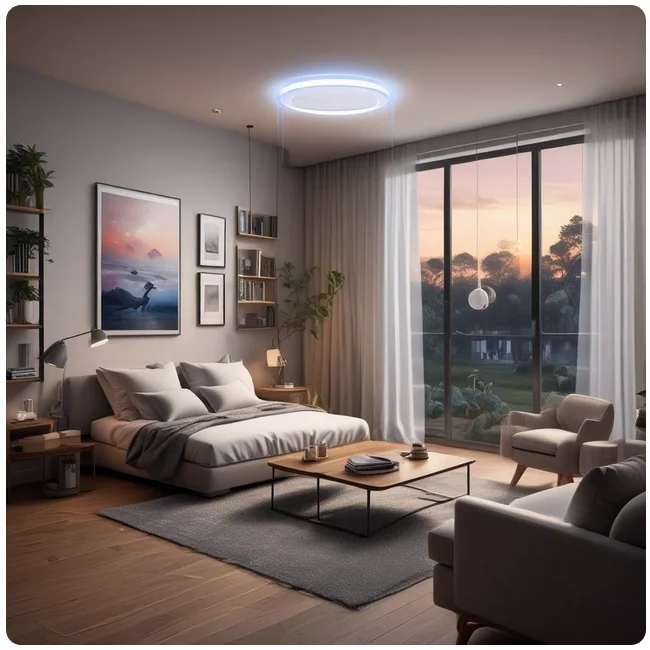

Ever walked into a room and felt it “adjust” to your mood? In 2026, smart homes can do exactly that—well, almost.
Facts:
- Sensor networks – Cameras, microphones, and wearable integration let smart homes monitor subtle cues like movement, tone of voice, or posture.
- Environmental adjustments – Lights, temperature, and music can change automatically based on detected mood, energy, or focus levels.
- Learning over time – Homes adapt to your habits, predicting when you need calm, stimulation, or rest.
- Wellness integration – Some systems sync with fitness trackers to optimize sleep cycles or workout timing.
- Privacy-first design – Most smart homes process data locally or anonymize it, so your cat’s midnight zoomies aren’t broadcast anywhere.
Imagine walking into a room and the lights dim to your stress level. It’s like having a roommate who’s way too perceptive—but thankfully, they don’t complain about dishes.