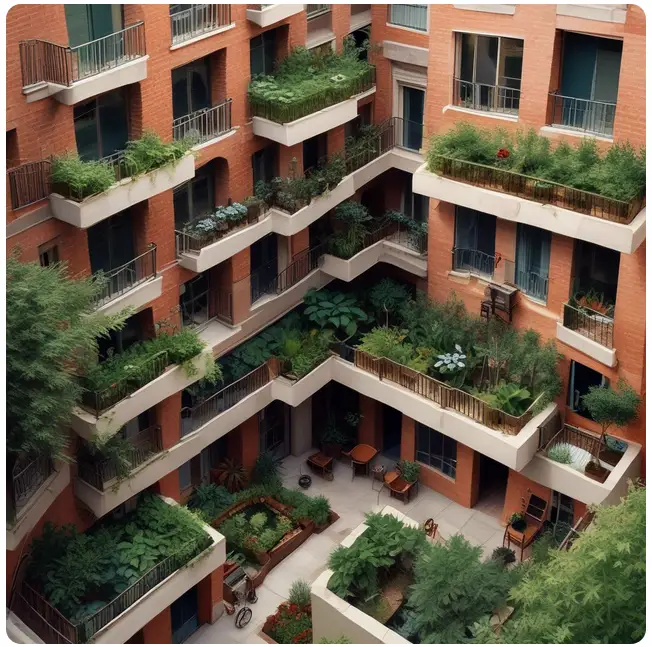

Cities aren’t just concrete jungles—they’re living, breathing environments where temperature, wind, and humidity can vary drastically from one street to the next. Microclimates are tiny pockets in urban areas that behave differently than their surroundings, and in 2026, researchers are uncovering fascinating facts about how these little weather zones impact daily life, greenery, and even human behavior. Here are some of the most surprising did-you-know moments about urban microclimates.
1. Alleyways Can Be Hotter Than Main Streets
Narrow alleys surrounded by tall buildings often trap heat and reduce airflow, creating pockets that can be several degrees warmer than adjacent streets. This fact affects not just pedestrians, but also urban vegetation and air quality. Ever noticed a street feeling “stifling” while the avenue across feels breezy? That’s microclimate in action.
2. Green Roofs Cool the Sky Above
Rooftop gardens don’t just look pretty—they reduce the heat in the surrounding area by absorbing sunlight and releasing moisture. Did you know that a cluster of green roofs can lower temperatures for nearby streets? These urban oases quietly fight the city heat, one roof at a time.
3. Shadowed Courtyards Form Their Own Weather
Buildings create pockets of shade that maintain lower temperatures, higher humidity, and slower evaporation rates. These mini-climates can support plant species that wouldn’t survive in the direct sun, a little-known urban fact that surprises many city gardeners.
4. Water Fountains Influence Local Breezes
Even small water features can affect airflow. As water evaporates, it cools the air and creates subtle breezes around plazas or parks. A tiny fountain might be doing more for a city’s microclimate than you realize—a fact that combines science with simple design.
5. Street Trees Alter Temperature by Degrees
Planting trees along streets doesn’t just provide shade—it can lower surrounding temperatures by several degrees Celsius. Microclimate studies reveal that leafy streets aren’t just aesthetically pleasing; they create measurable, life-improving effects. A fact every urban planner loves.
6. Rooftop Solar Panels Heat Up Surrounding Air
Ironically, solar panels absorb sunlight efficiently, but their dark surfaces can slightly warm the nearby air. This curious microclimate fact shows that even eco-friendly solutions have complex interactions with the urban environment.
7. Ventilation Shafts Create Local Wind Tunnels
Air forced through narrow building vents can create mini wind corridors, changing how pedestrians experience the street and even influencing the dispersal of pollutants. Another did-you-know moment showing that urban design subtly reshapes nature in unexpected ways.
8. Urban Pockets Can Trigger Fog
Certain low-lying areas with water surfaces and restricted airflow can produce small-scale fog, even when the surrounding city is clear. These microclimate-induced fogs are rare, fleeting, and totally fascinating. It’s a hidden urban weather fact many people miss entirely.
9. Hot Pavement Accelerates Airflow
Sun-heated asphalt doesn’t just store heat—it also creates rising currents that subtly move air upward. This effect can influence temperature readings, pedestrian comfort, and even small insect behaviors. A fact that makes every city walk a tiny weather experiment.
10. Localized Humidity Can Affect Allergies
Some microclimates trap moisture or pollen more effectively than others, influencing allergy flare-ups in surprising ways. Did you know your sneezing fits could be partially caused by a microclimate around a single park or street corner? Definitely one of those facts that makes you look around with curiosity.
Urban microclimates remind us that cities are far from uniform. Tiny pockets of shade, water, or heat can change life for plants, people, and animals in subtle but measurable ways.
Researchers continue to reveal just how dynamic and surprising city weather can be. Next time you notice a particularly breezy alley, a foggy courtyard, or a sizzling pavement under the sun, ask yourself: what hidden microclimate facts are shaping this small corner of your city? Chances are, there’s more going on than meets the eye.