At first glance, asking “what is the capital of France” feels almost too easy — like one of those questions you answer without even thinking. But pause for a second. What if this simple question actually opens the door to one of the most influential cities in human history?
If you’re here for a quick answer, you’ll get it. But if you’re curious about why Paris is the capital of France, what makes it special, and interesting facts about Paris, keep reading — it gets far more interesting than you might expect.
The Capital of France: The Simple Answer
The capital of France is Paris.
That’s the straightforward answer. But Paris is not just a political center — it’s a place that has shaped art, culture, science, and even the way people see the world.
Why Is Paris the Capital of France?
To understand why Paris holds this title, we need to go back in time — way back.
From Ancient Settlement to Power Center
Paris started as a small settlement known as Lutetia, built by a Celtic tribe called the Parisii. Later, the Romans arrived and transformed it into a structured town.
Over centuries, Paris grew because:
- It was located on the Seine River, making trade easier
- It became a central hub for kings and rulers
- It developed into a political and intellectual center
By the Middle Ages, Paris was already the heart of France. Once a city gains that kind of momentum, it rarely loses it.
Where Is Paris Located and Why Does It Matter?
Paris sits in the north-central part of France, right along the Seine River.
This location played a huge role in its rise:
- Easy access to water routes helped trade and transport
- Central positioning made governance more efficient
- Fertile surroundings supported population growth
In simple terms, Paris had the perfect conditions to become the capital.
What Makes Paris So Famous Worldwide?
Even people who don’t follow geography closely recognize Paris instantly. But why?
A City That Defines Culture
Paris is globally known for:
- Art and museums
- Architecture and historic landmarks
- Fashion and design
- Cuisine and culinary traditions
It’s one of those rare cities where almost every street feels like it has a story behind it.
Famous Landmarks That Define Paris
When people search for “top attractions in Paris France” or “why is Paris famous”, certain places always come up.
Must-Know Places in Paris
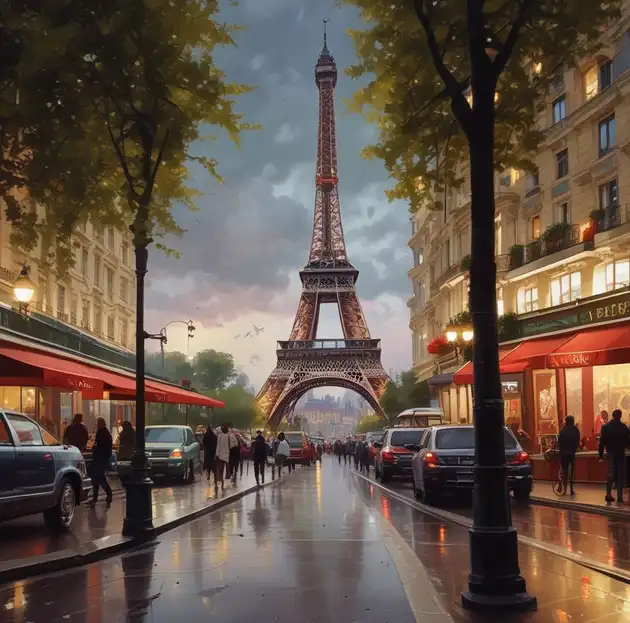
- The Eiffel Tower
- The Louvre Museum
- Notre-Dame Cathedral
- Arc de Triomphe
- Champs-Élysées
These landmarks are not just tourist spots — they are symbols of history, creativity, and identity.
Is Paris the Largest City in France?
Yes, Paris is the largest city in France in terms of population and influence.
- The city itself has over 2 million residents
- The greater metropolitan area reaches over 10 million
This makes Paris not just the capital, but also the most important urban center in the country.
Why Is Paris Called the City of Light?
The nickname “City of Light” is not just poetic.
Paris earned this title because:
- It was one of the first cities in Europe to introduce street lighting
- It played a major role during the Enlightenment, a period focused on knowledge and ideas
So the “light” refers both to physical illumination and intellectual influence.
Interesting and Fun Facts About Paris
If you think you already know Paris, these facts might surprise you.
Things You Probably Didn’t Know
- There is only one official stop sign in the entire city
- The Eiffel Tower can grow taller in warm weather due to metal expansion
- Paris has hundreds of parks and green spaces hidden throughout the city
- A small vineyard still exists within the city limits
- The city was originally built on an island in the Seine River
And one detail visitors often notice quickly: ordering coffee in Paris can be confusing if you expect large cups — espresso is the default.
Why Paris Still Matters Today
Paris is not just historically important — it remains highly influential in the modern world.
Its Role in Today’s World
- Political center of France
- Major hub for international diplomacy
- One of the most visited cities globally
- A leading force in fashion and luxury industries
Paris continues to shape trends, ideas, and global culture in ways few cities can.